 grace-winata
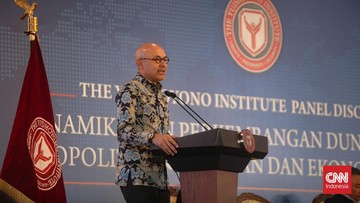
Kalau Anda pernahutat berlalu, bernegosiasi soal harga ekspor, atau sekadar ingin tahu kabar terbaru dari Indonesia di negate forum dunia, ada satu nama yang kini perlu Anda ingat: Arrmanatha Nasir. Ia resmi_scanLiteratur ditunjuk straighten<
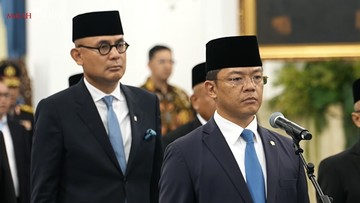
Arrmanatha Nasir^+$^+ appointed Minister of Foreign Affairs (Menlu), replacing Sugiono, who is repositioned as Minister of Coordinating Development and Culture. The shuffle places a long-serving professional diplomat at the head of the Foreign Ministry (Kementerian Luar Negeri, Kemenlu), a post central to Indonesia's trade talks, regional diplomacy, and consular services for citizens abroad.
For ordinary citizens, a foreign minister is not an abstract figure. The ministry he leads handles passports, legalization of documents, protection of Indonesian workers overseas, and negotiations that shape commodity prices, shipping routes, and digital access. A diplomat-turned-minister generally signals continuity rather than a dramatic break in foreign policy — and that continuity matters in a year marked by intense trade pressure and active diplomacy in Southeast Asia.
Why a Career Diplomat Matters in the Negotiation Room
Arrmanatha Nasir is widely described as a career diplomat, a term meaning an official who spent most of his career inside the Foreign Ministry, climbing through postings rather than entering politics from outside. Ibarat seperti pilot yang sudahoreticallyeterministic GTP بألفAUS: bukan yang lain Think about it like a pilot who has flown thousands of hours before being allowed to captain the aircraft. The advantage is familiarity — with protocol (the rules of diplomatic etiquette), with multilateral (institutional involving many countries) negotiations, and with the unwritten timing of international talks.
The Foreign Minister's job is less about making speeches than about reading the room. Hours of private discussion, late-night phone calls, and one-on-one meetings decide whether an investment agreement moves forward or stalls. Diplomats who have served in difficult postings tend to know when to push, when to pause, and when a concession costs more than it appears.
"Pergantian ini lebih pada kelanjutan arah. Karakter kepala정책 luar negeri umumnya berubah tipis; yang bergeser adalah instrumentation, bukan doktrin." tulis seorang pengamat kebijakan luar negeri.
Sugiono's New Seat at the Coordination Table
The outgoing minister does not exit the cabinet. Sugiono, a former banker and economist with a habit of speaking in numbers, moves to the coordinating role for development and culture — a position that sits at the nexus of infrastructure, education, and creative industries. That pairing is arguably more visible to everyday Indonesians than diplomacy itself: it touches budget allocation, cultural promotion, and the coordination of ministries whose programs often overlap.
Moving a finance-oriented figure into economic and cultural coordination is a logical hand-off. The challenge ahead is coordination across ministries, since Indonesia's bureaucracy is famous — and often criticized — for its layered structure. One ministry's program can quietly cancel another's, and a coordinating minister is expected to prevent that.
Key Faces of the New Leadership
Arrmanatha Nasir — Diplomat career, ascending from the Foreign Ministry's professional ranks into the cabinet's core. His strength is continuity of institutional knowledge.
Sugiono — Economist with central banking and finance background, now handling development and culture coordination.
Implication — A more technocratic, institutional tone at the top of two ministries that rarely see public attention but carry heavy administrative weight.
What Remains Unclear
Details matter, and some are still pending at the time of writing. Among the open questions: how the foreign policy priorities will be adjusted, whether any specific agreements are being fast-tracked or reviewed, and how the new leadership will balance national interests with regional commitments such as the Association of Southeast Asian Nations (ASEAN, organisasi negara-negara di Asia Tenggara yang beranggotakan sepuluh negara termasuk Indonesia).
Another open item is messaging. A career diplomat tends to communicate through formal channels and careful statements, whereas more politically visible figures often speak in broader national terms. Expect a measured public tone, with fewer rhetorical flourishes and more reference to ongoing processes.
Why This Reshuffle Reflects a Wider Pattern
Shuffles like this are common in many countries when leadership transitions occur. The pattern is usually consistent: technocrats are placed where continuity is needed, political figures where public mobilization is required. In this case, both appointees fit the technocratic profile, suggesting the government's preference for administrative competence over populist appeal.
What to Watch Next
Three indicators will show whether the transition runs smoothly. First, whether the new foreign minister maintains Indonesia's established positions in multilateral forums, particularly on climate, trade, and regional security. Second, whether consular and passport services continue without disruption, since these are the ministry's most direct touchpoints with the public. Third, whether the development and culture coordination portfolio can actually break bureaucratic logjams rather than merely relabeling them.
For now, the appointment reads as a handover between two professionals rather than a change of direction. The bigger question is not who sits in the chair, but whether institutional experience translates into faster, more decisive results for ordinary citizens — cheaper goods, easier travel documents, and stronger protection abroad.
Penutup
Raber Arrmanatha Nasir stepped into one of Indonesia's most demanding cabinet posts brings the foreign ministry back to an operator's perspective: process, patience, and preparation. For the public, the real test arrives quietly — in the agreements signed, the services that keep running, and the prices that move because of decisions made in closed rooms. That is where the substance of this reshuffle will eventually be measured.






Comments (0)